
If you only brush, you miss 40% of your tooth surfaces. The real question is: how do you clean the rest effectively, and which tool does it better? Here’s what decades of research say.
What Interdental Brushes and Floss Actually Do
Dental Floss: The Classic String
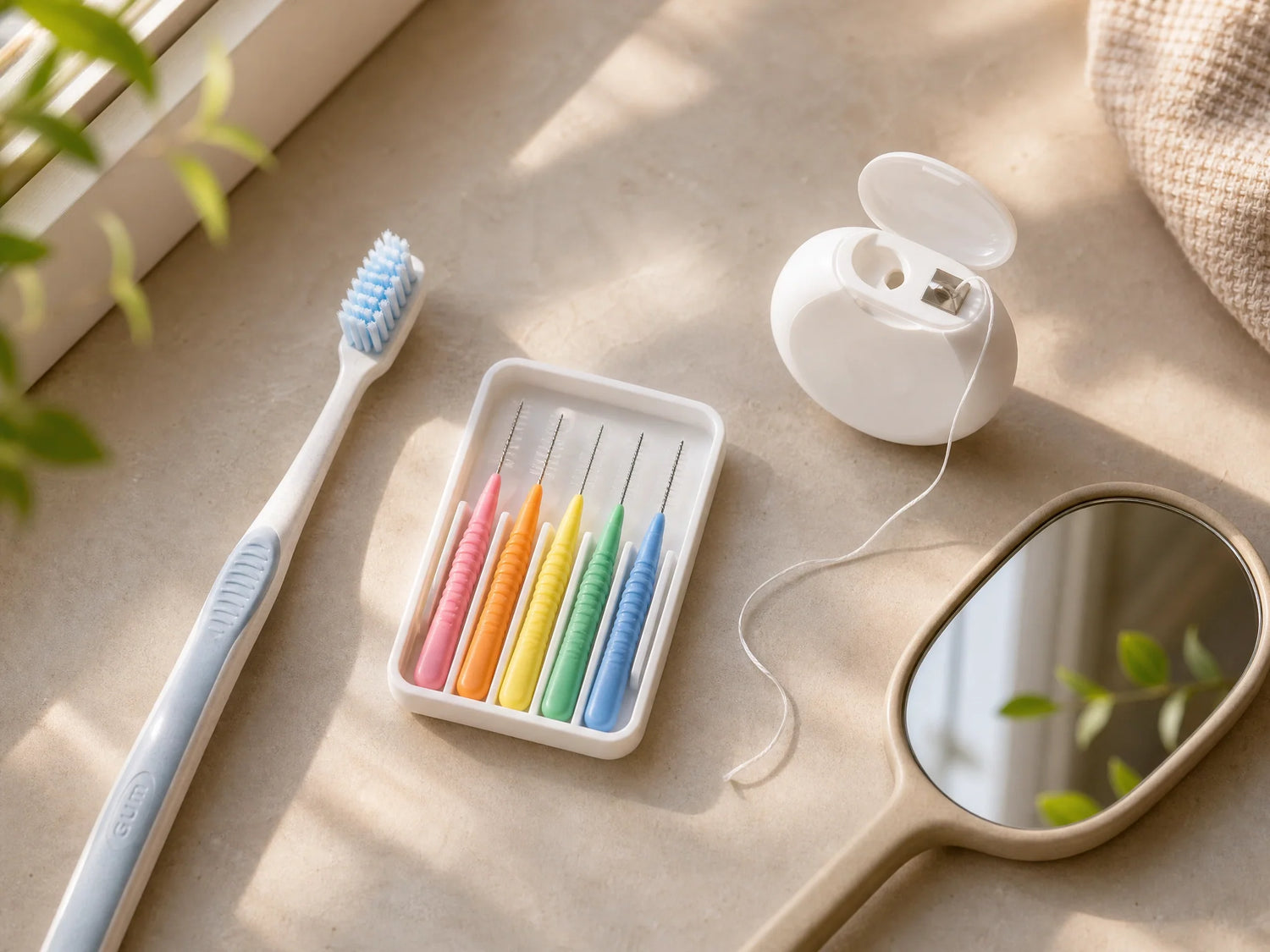
Dental floss uses a thin nylon or PTFE strand to scrape dental plaque from the tightest sides of teeth. Waxed, unwaxed, tape, or super floss—the mechanism is the same: manual disruption of the sticky biofilm that a toothbrush can’t touch.
Interdental Brushes: Tiny Bristles, Big Impact
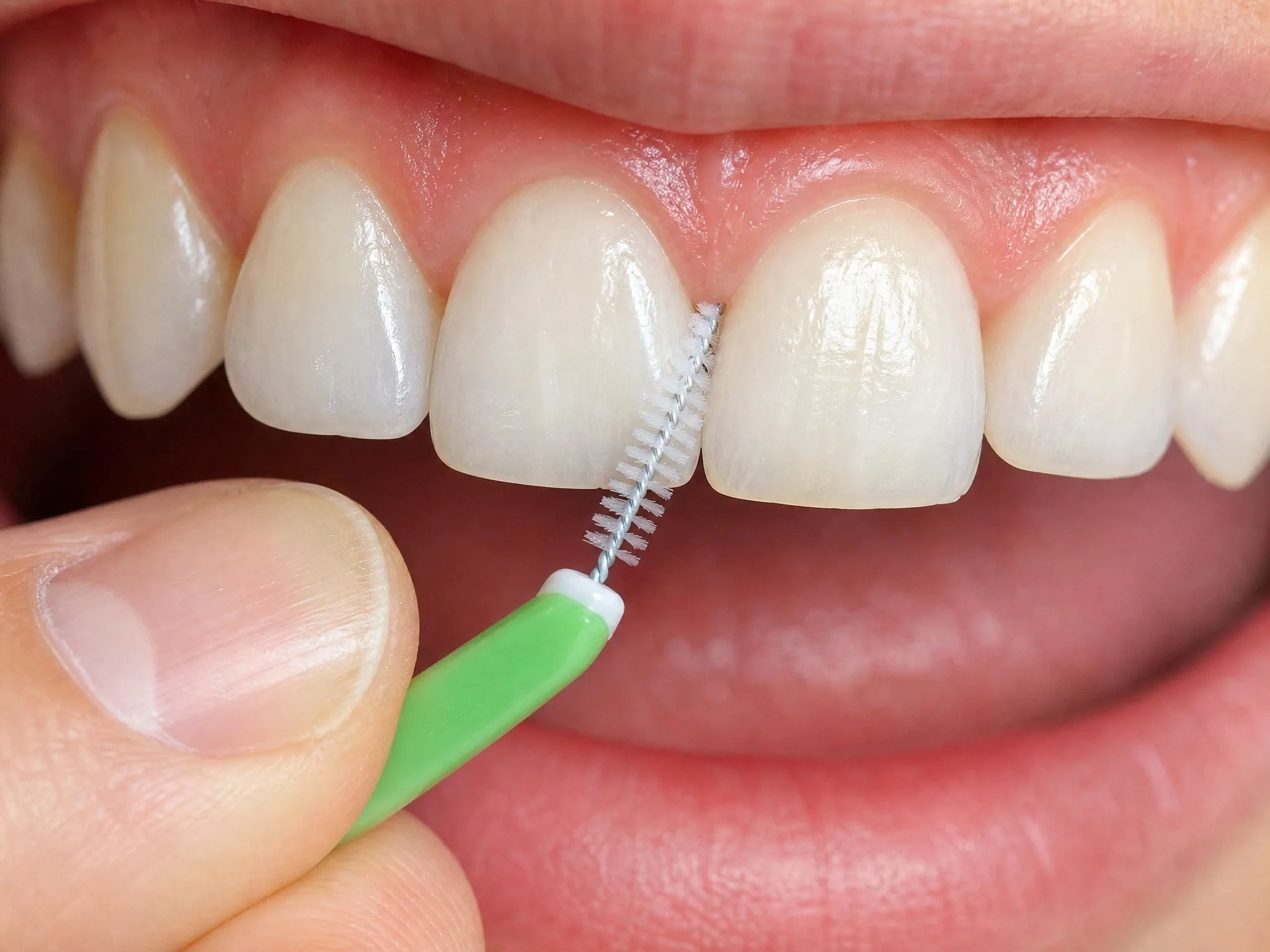
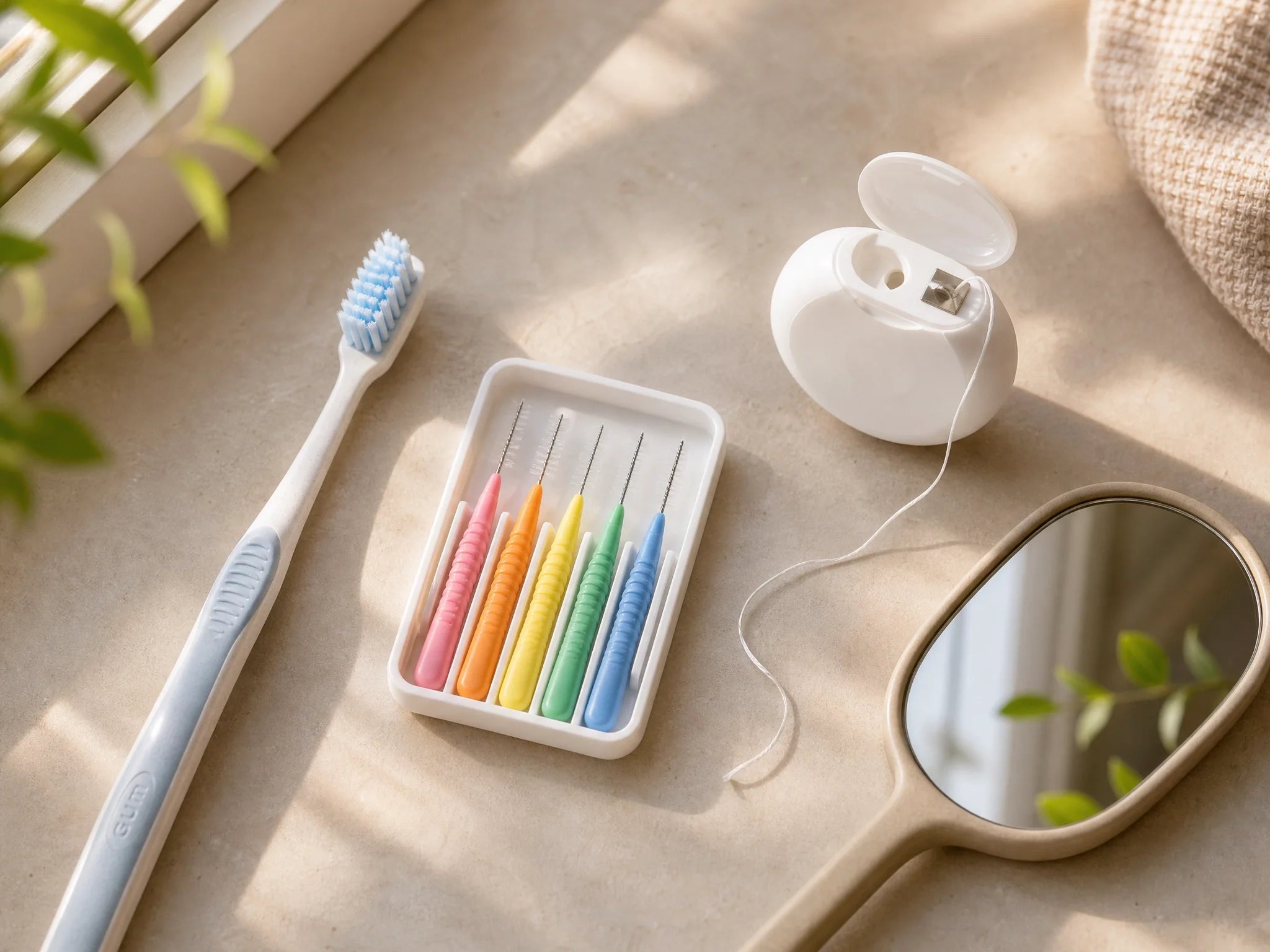
An interdental brush (or interproximal brush) has a small head with bristles arranged around a central wire. Instead of scraping, it fills the interproximal space and mechanically scrubs plaque away. - Available in color‑coded sizes (ISO/Pass‑Through Diameter) - Angled or straight handles for easier back‑tooth access - Reusable—just rinse and replace the cap
Why This Debate Matters for Your Gums
The tool you choose directly affects how much plaque you leave behind. Left undisturbed, that biofilm triggers gingivitis—red, puffy gums that bleed. Over time, it can harden into tartar and lead to deeper periodontal pockets. And no single tool fits every gap.

Which Tool Removes More Plaque? The Clinical Evidence
Interdental Brush Effectiveness: What Studies Show
Multiple systematic reviews conclude that interdental brushes outperform floss in removing plaque. In a 2019 Cochrane review, low‑certainty evidence indicated that interdental brushes reduce plaque more than brushing alone, and they may be more effective than floss for gingivitis at one and three months source. A network meta‑analysis ranking 10 interdental aids placed interdental brushes first for reducing gingival inflammation (64.7% probability of being best), while floss ranked near zero source.
When Floss Still Has an Edge
Floss remains necessary where contacts are so tight that even the smallest brush won’t fit without forcing. In these cases, a thin PTFE floss or tape can slide through and effectively reduce interproximal caries risk—provided technique is flawless.
Plaque Removal at a Glance
| Criteria | Interdental Brush | Dental Floss |
|---|---|---|
| Plaque reduction in wider spaces | Higher mean plaque score reductions | Less effective |
| Plaque reduction in tight contacts | May not fit | Effective if technique is perfect |
| Clinical trial evidence (plaque index) | Statistically significant advantage vs floss in multiple meta‑analyses | Inconsistent benefit |
| Patient adherence | Generally preferred for ease of use | Often abandoned due to difficulty |
What About Bleeding Gums and Gum Disease?
Interdental Brushes Reduce Bleeding Better
Trials consistently report greater drops in bleeding on probing scores with interdental brushes. A systematic review found a mean difference of 0.08 (95% CI 0.03 to 0.14) favoring brushes for bleeding reduction over floss after 4‑12 weeks source. The bristles can reach 2‑2.5 mm below the gumline, disrupting bacteria that floss often misses.
Where Floss Falls Short
In patients with gum recession, existing periodontal pockets, or exposed root concavities, floss may not adapt well and can even traumatize the papilla. Technique becomes critical: snapping floss into gums does more harm than good. For these situations, an interdental brush sized correctly is far safer and more effective.
Key Insight: Using an interdental brush reduces gingivitis by an estimated 34% and plaque scores by 32% over toothbrushing alone, according to a meta‑review of multiple systematic reviews.
Matching the Tool to Your Teeth
Finding the Right Fit for Interdental Brushes
Use the largest diameter that inserts with slight resistance—never force it. - Have your dentist or hygienist measure your gaps with an IAP probe. - Test a size: if the brush slides in too easily and doesn’t touch the sides, go up a size. - Replace the brush when bristles become distorted (typically every 7‑14 days).
Scenarios Where Only Floss Will Do
- Extremely tight contacts with no visible gap
- Immediately after orthodontic treatment where teeth are still settling
- Access around bonded retainers where a brush can’t pass
The Power of Using Both
For most mouths, the smartest routine is a hybrid: use an interdental brush for the larger gaps (often back molars and any open spaces), and floss the front teeth or tight contacts. This personalization is called personalized mechanical plaque removal (PMPR). Ask your dental professional to draw you a “map” of which tool goes where.

Common Mistakes That Undo Your Efforts
Forcing an Oversized Brush
Pushing a brush into a too‑small space can cut gum tissue and wear away root surfaces. If you feel sharp pain or see bleeding after insertion, drop down a size immediately.
Flossing Technique Matters: The C‑Shape
- Gently guide the floss between teeth—never saw aggressively.
- Curve it into a “C” against one tooth surface.
- Slide it up and down, going slightly below the gumline.
- Repeat on the adjacent tooth side.
- Use a clean section of floss for each contact.
Don’t Forget the Back Teeth
The far sides of your last molars are prime hiding spots. Make sure every interdental tool reaches behind your very last tooth—that surface is a common cavity starter.
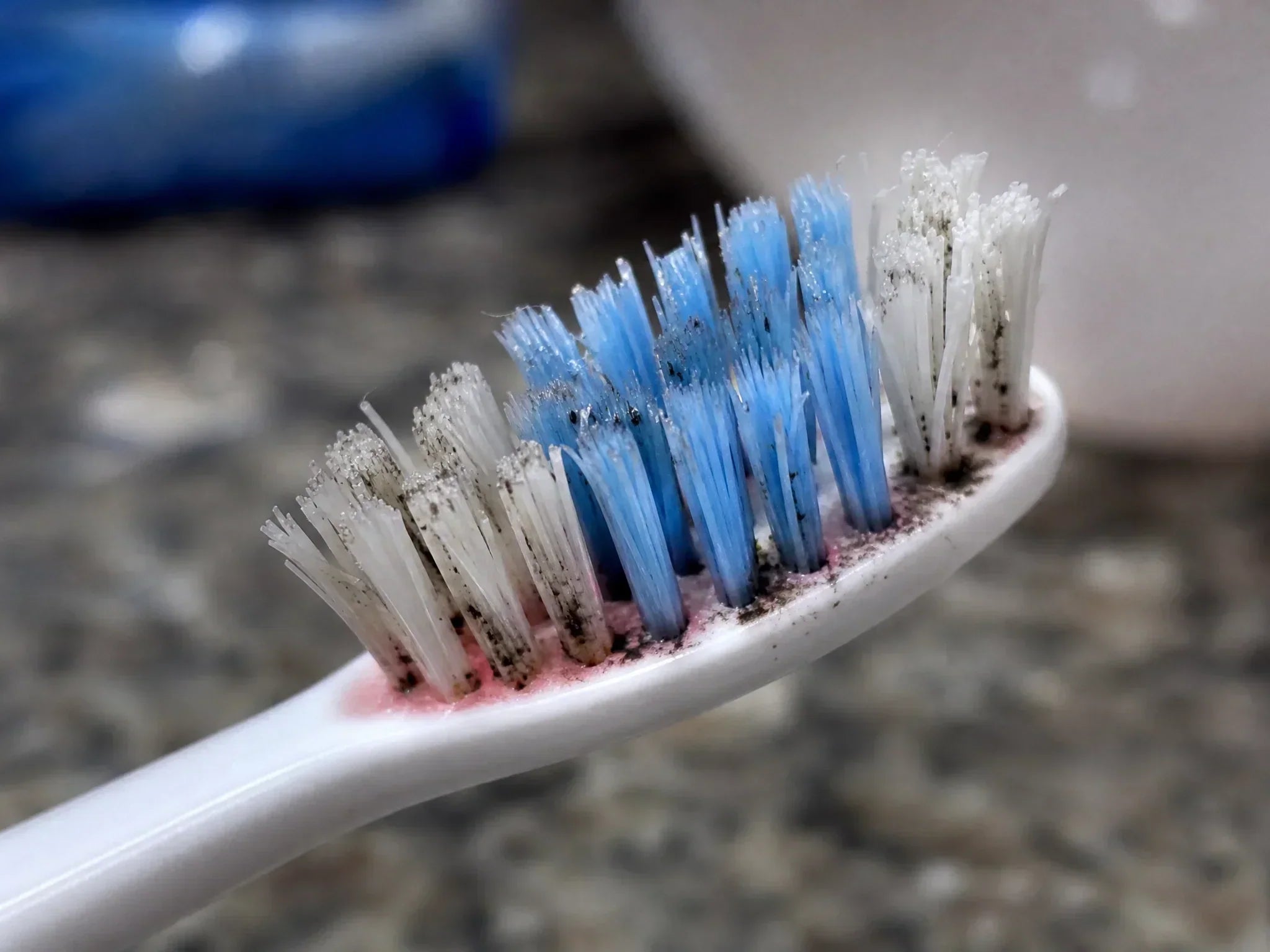
Choosing the Wrong Toothbrush
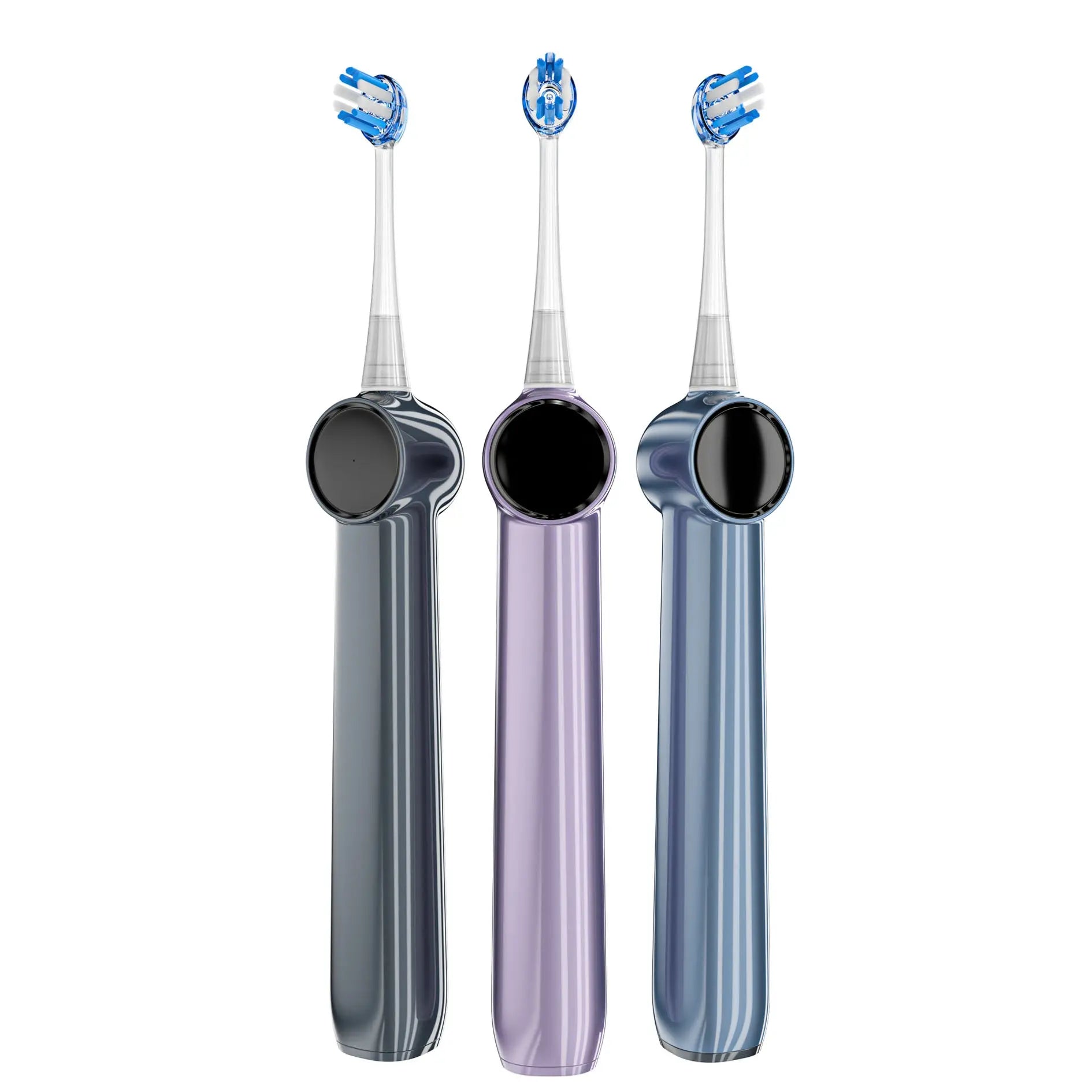
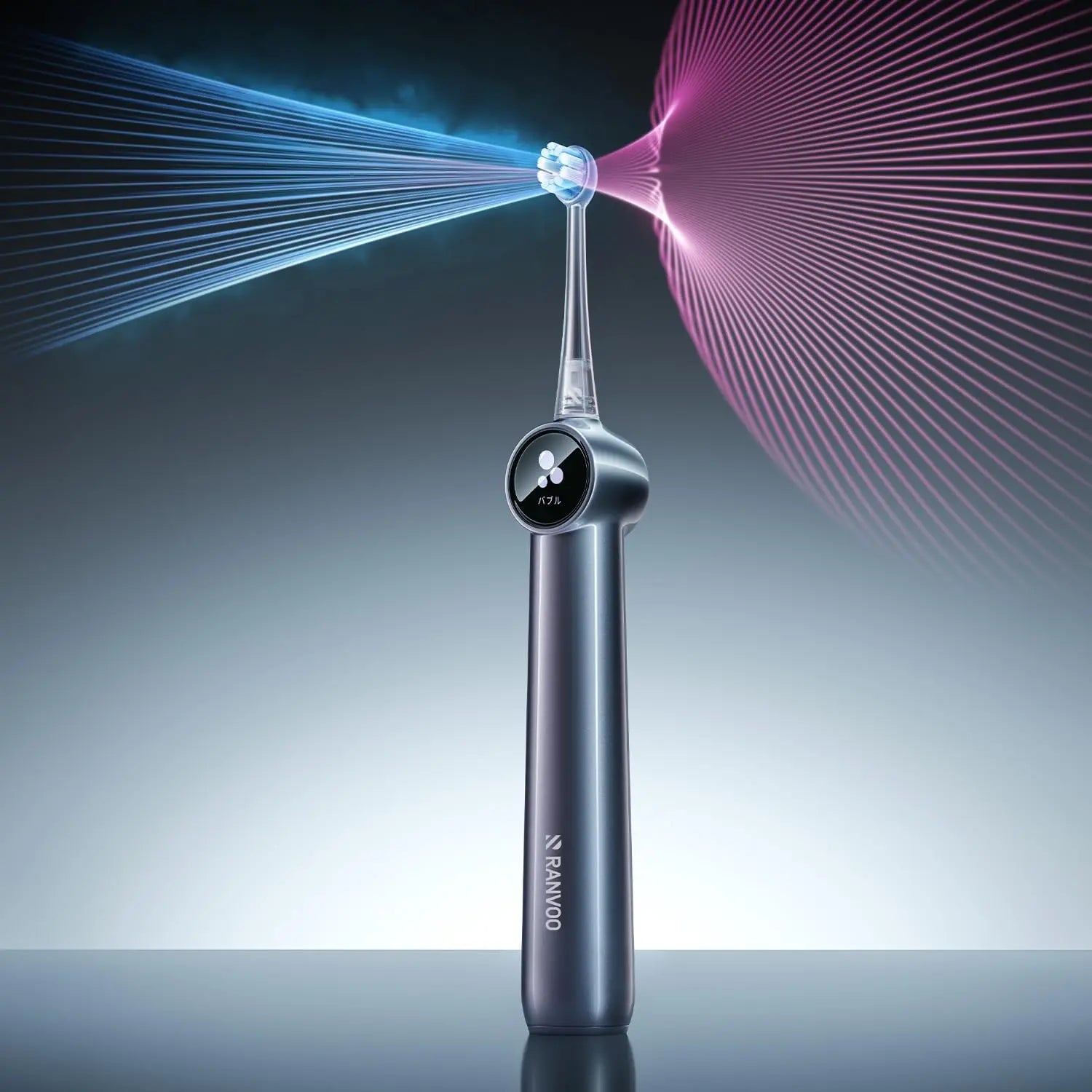
Just as forcing an oversized interdental brush can damage gums, using a manual toothbrush with hard bristles or scrubbing too aggressively can harm enamel and gum tissue. For those with sensitive or bleeding gums, an electric toothbrush like the RANVOO AirJet X5 offers a safer alternative. Its “Bubble Brush” technology delivers a gentle yet effective clean, reducing the risk of gum trauma while still removing plaque from all surfaces. Pair it with proper interdental cleaning for a complete routine.
Why Cleaning Between Teeth Isn’t Optional
Dental plaque matures into a harmful biofilm within 24 hours. If not removed, it mineralizes into tartar, fueling chronic inflammation. Brushing alone reaches only about 60% of tooth surfaces; the interproximal areas harbor the most aggressive bacteria. Research links untreated periodontal disease to systemic conditions like cardiovascular disease and poor diabetes control. Interdental cleaning isn’t just about saving teeth—it’s about protecting your overall health.
The Verdict: Brushes Win on Evidence, Personalization Wins for You
A Quick Scorecard
| Factor | Winner |
|---|---|
| Plaque removal in wider gaps | Interdental brush |
| Gingivitis reduction | Interdental brush |
| Ease of daily use | Interdental brush |
| Tight contacts | Dental floss |
| Cost per use | Floss (cheaper) |
| Environmental reuse | Interdental brush (reusable handle) |
The science clearly favors interdental brushes where they fit. But the real winner is a routine tailored to your mouth’s unique anatomy.
Next Step: Bring This to Your Dentist
At your next checkup, ask for a size guide for interdental brushes and a personalized interdental cleaning plan. Your gum health depends on matching the tool to the space—and your dental professional can show you exactly how.