TL;DR: Gingivitis — swollen, bleeding gums — is the earliest and most common stage of gum disease. It’s also 100% reversible. The fix comes down to removing the sticky bacterial film called plaque that’s irritating your gums, and doing it thoroughly every single day. This article walks you through the exact routine that works, what to add if you need extra help, and when it’s time to call the dentist.
Noticing a little pink in the sink after you brush is unsettling. Your first instinct might be to panic or, worse, to back off and brush more gently around the tender spots. Don’t do either. That bleeding is a sign your gums are inflamed, and the solution is actually more effective cleaning, not less. Gingivitis is your body’s early warning system, and responding to it correctly now prevents irreversible damage later.

The cornerstone of getting rid of gingivitis is simple: disrupt the biofilm of plaque every 24 hours before it hardens into tartar. When plaque sits along the gumline, the bacteria within it release toxins that trigger an inflammatory response. Your gums swell, redden, and bleed on probing or brushing. Everything we’re about to cover serves one goal — breaking up that bacterial colony so your gums can heal.
1. Upgrade Your Brushing Routine
What you’ve been doing isn’t quite working, so it’s time to refine your technique. Most adults brush in a back-and-forth scrubbing motion, which effectively cleans the biting surfaces of teeth but largely misses the gumline where plaque does its dirty work.
Use the modified Bass technique. Angle a soft-bristled toothbrush at 45 degrees toward the gums — you want the bristles to slide just slightly beneath the gumline. Make small, gentle, circular or vibrating motions with very light pressure. You’re targeting the crevice where the tooth meets the gum; that’s ground zero for plaque accumulation.
A 2023 randomized controlled trial found that tailored oral hygiene advice combined with an anti-gingivitis toothpaste significantly improved bleeding on probing compared to standard advice alone. The message is clear: technique matters, and the right tools amplify your results.
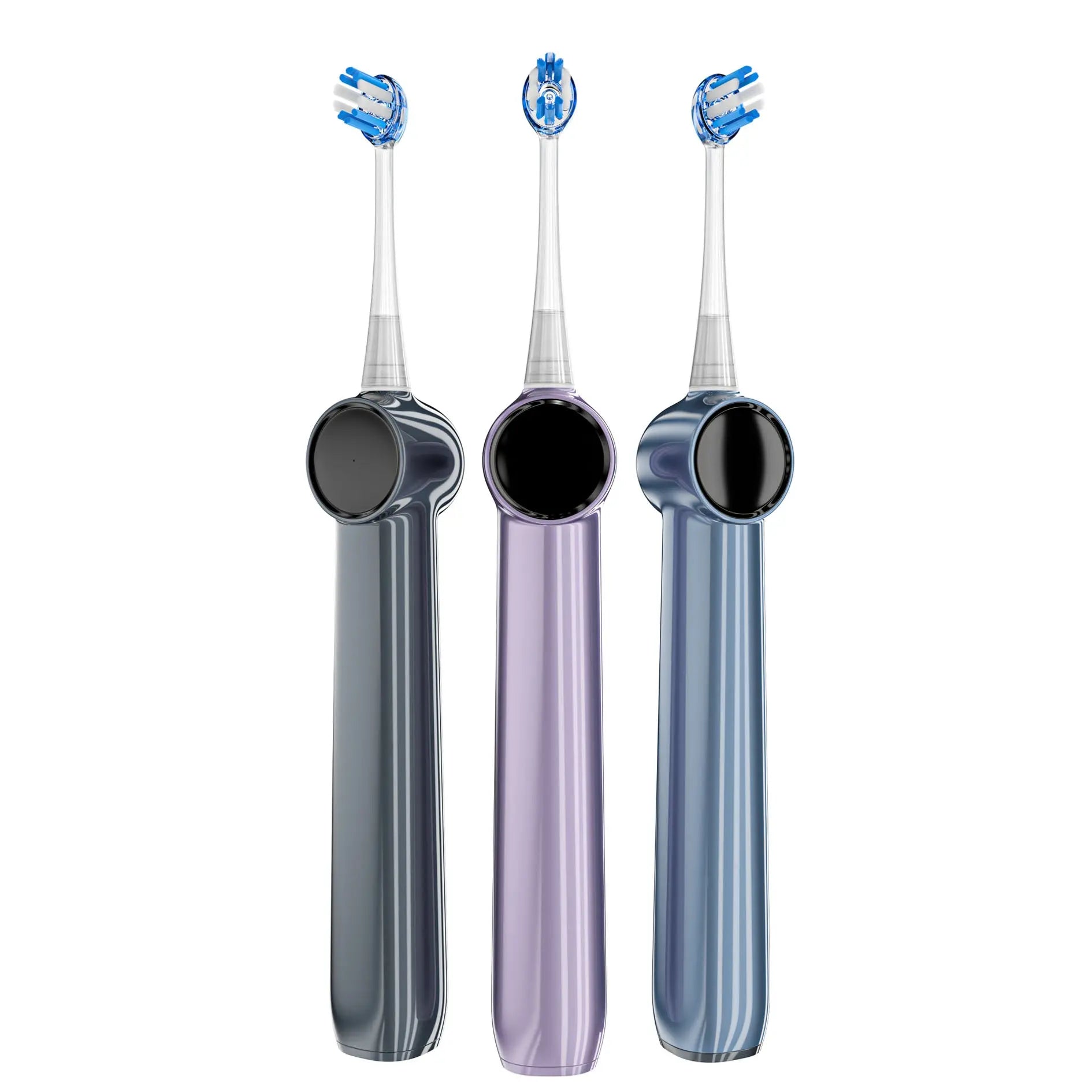
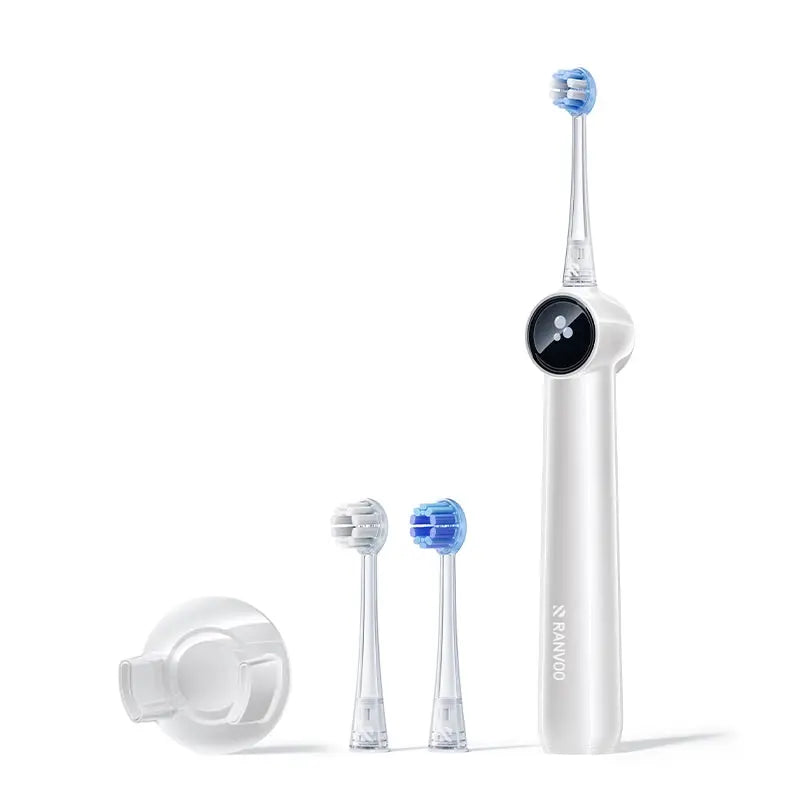
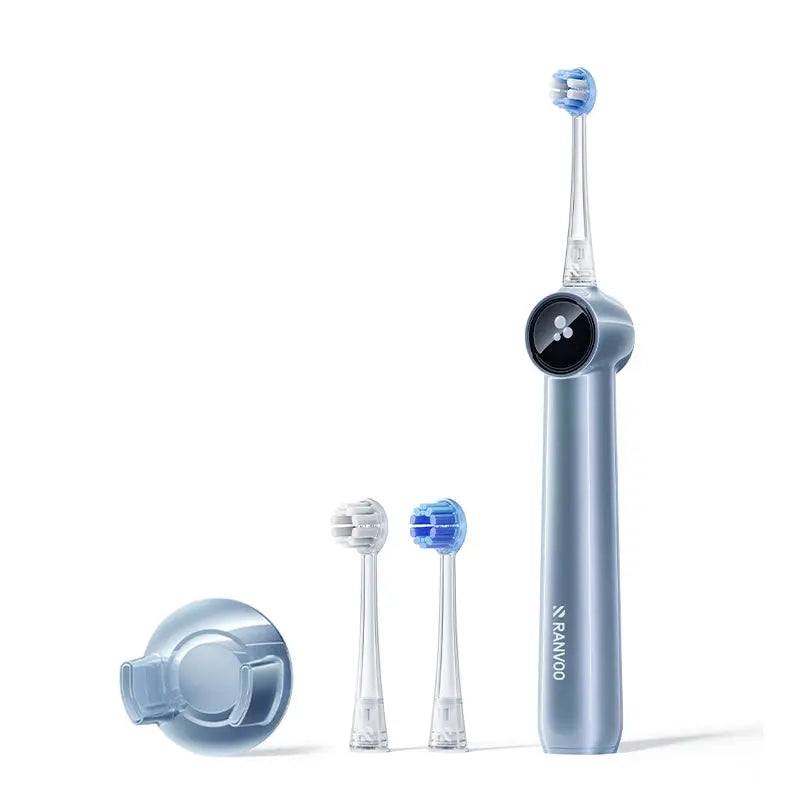
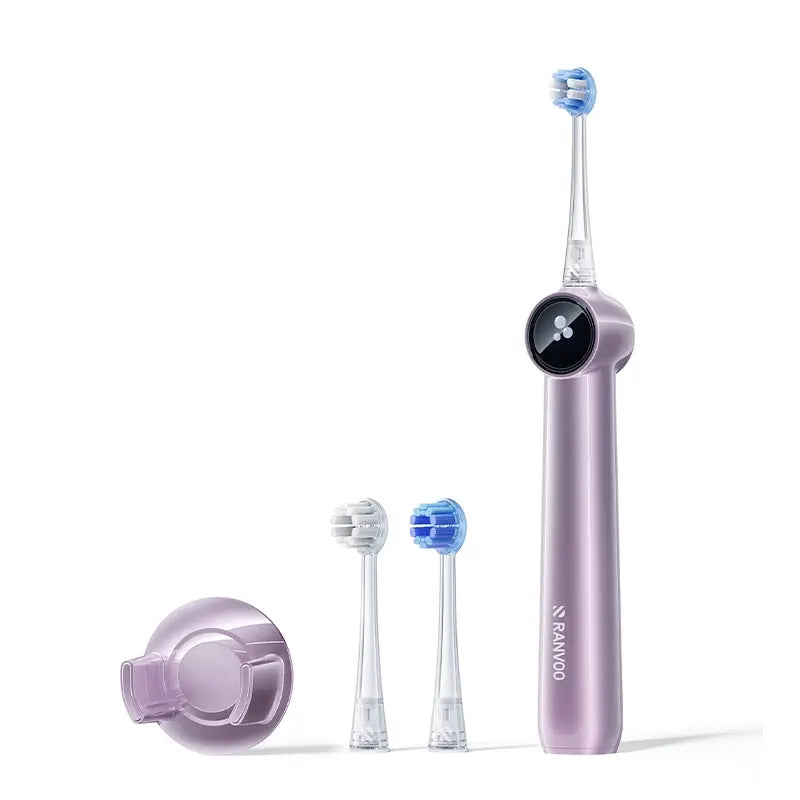
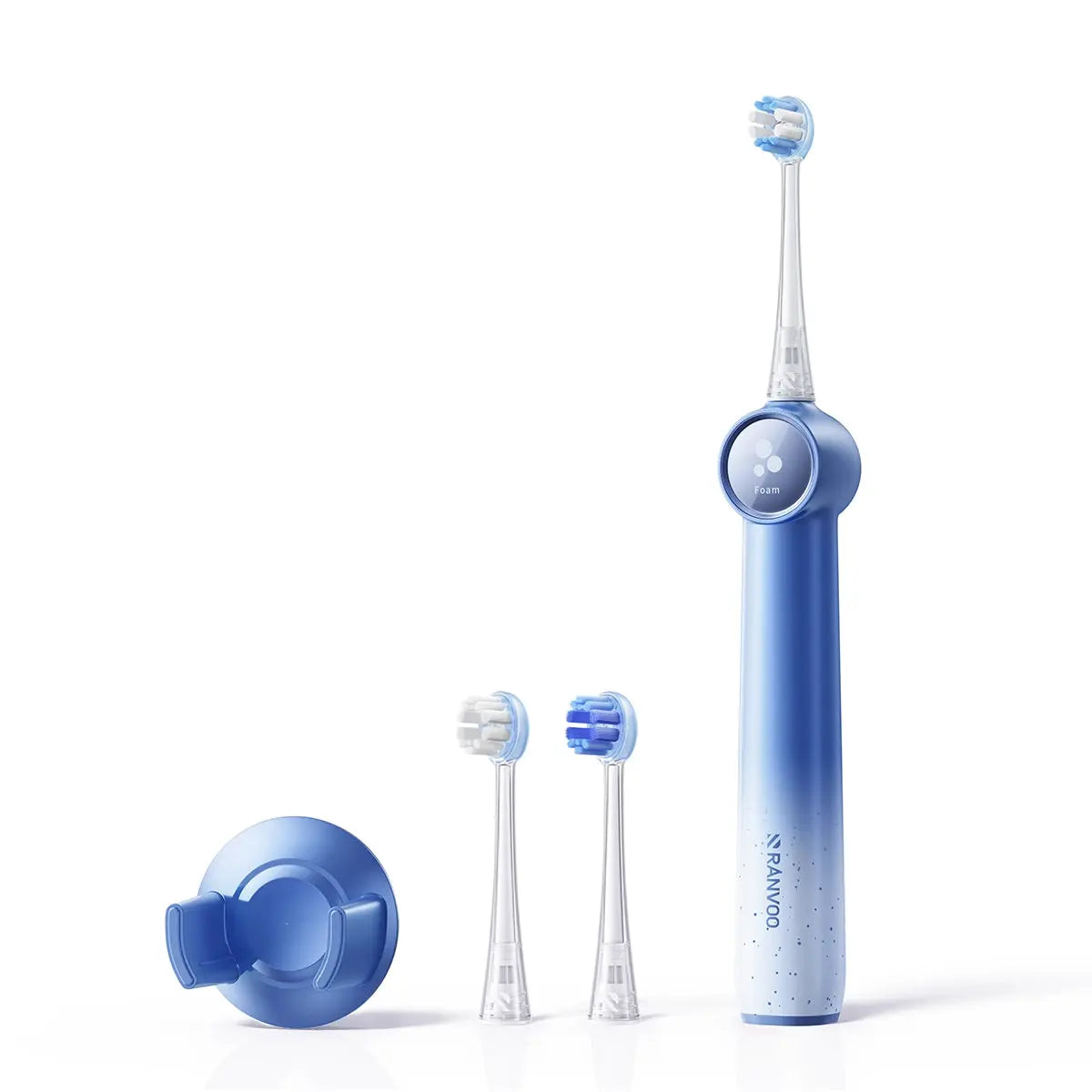
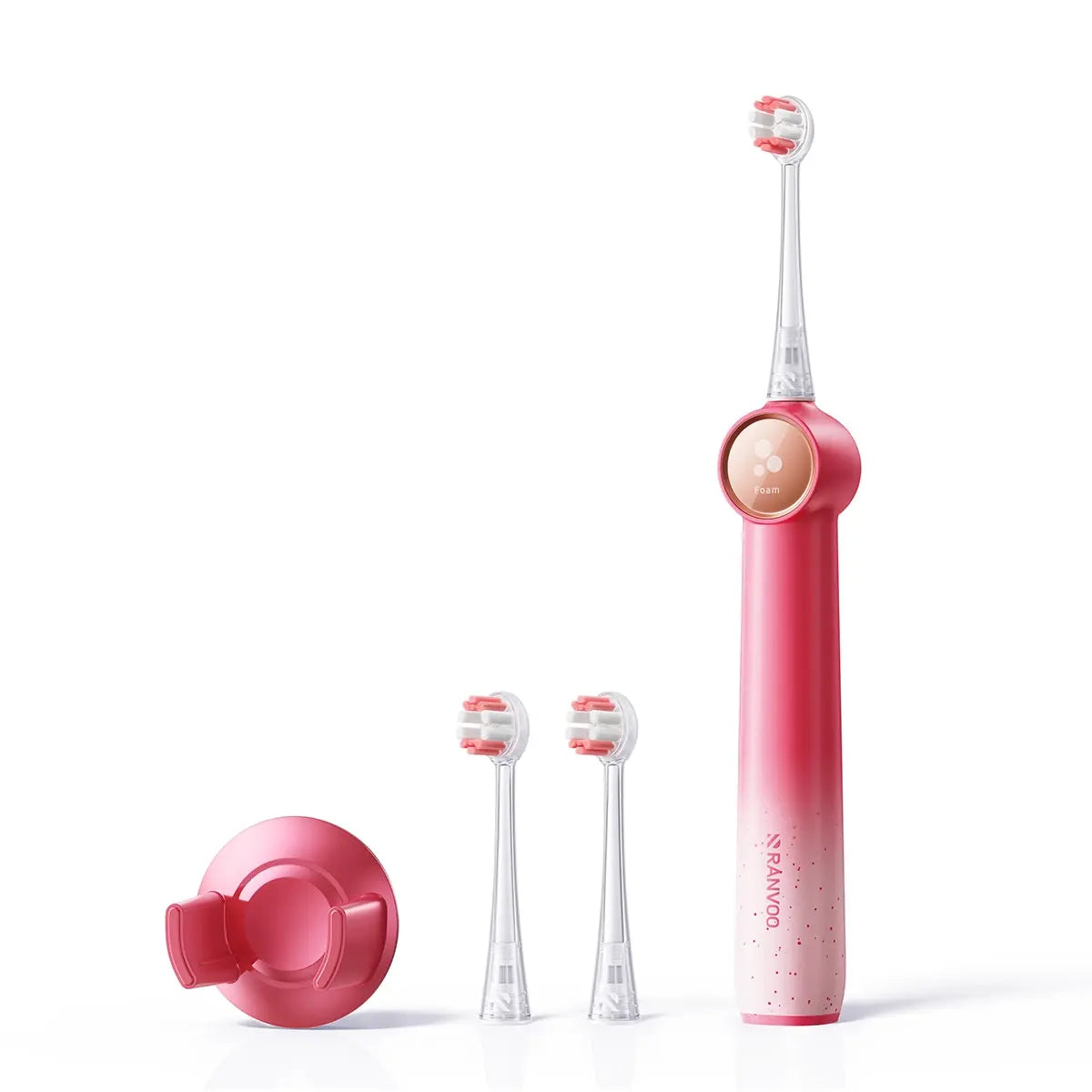
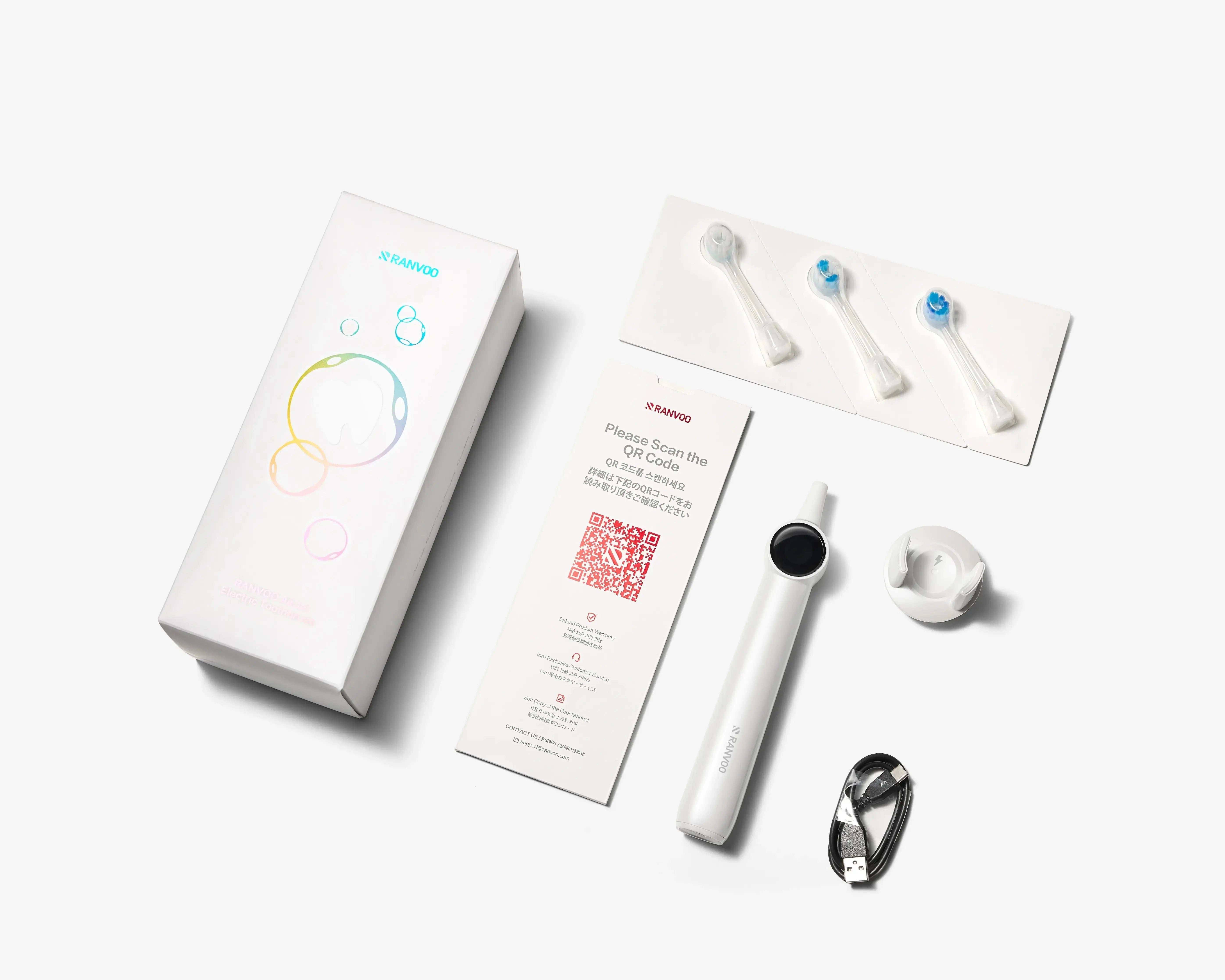
Switching to an electric toothbrush can make this precise angling easier to maintain. Most models have brush heads sized perfectly for reaching the gumline, and built-in timers ensure you brush for a full two minutes — the minimum time needed to adequately disrupt plaque.
Be patient with bleeding gums. If your gums bleed during this new technique, don’t avoid the area. That blood is flushing out bacteria-laden fluid and is a direct sign that inflammation is present. Gently cleaning into the bleeding site is how you resolve it. After 3 to 5 days of consistent, correct brushing, you’ll notice far less blood.
Toothpaste choice provides a real edge here. Look for a fluoride toothpaste that also contains stannous fluoride or essential oils. A 2023 double-blind trial demonstrated that alkaline toothpastes produced a significant reduction in both gingival inflammation and bleeding after just 4 weeks of daily use.

2. Commit to Flossing (The Right Way)
A toothbrush, no matter how advanced, cannot reach the tight spaces between teeth. Those interdental areas are where gingivitis often starts and persists despite diligent brushing. Flossing is non-negotiable, but doing it correctly changes everything.
The C-shape technique: Slide the floss gently past the contact point between two teeth. Once it’s below the gumline, curve the floss into a C-shape against one tooth and slide it up and down, wiping the side of that tooth clean. Then repeat on the neighboring tooth. The goal is to physically scrape away the invisible plaque film clinging to the root surfaces, not just to pop the floss in and out.
If traditional string floss isn’t working for you — whether due to dexterity issues, tight contacts, or simply hating the sensation — you have excellent alternatives. Interdental brushes are tiny bristled picks that slide between teeth; they’re often easier to handle and highly effective. A water flosser uses a pulsating stream of water to flush out debris and disrupt plaque below the gumline, and it’s particularly helpful if your gums are too tender for string floss initially.
Consistency is what separates success from stagnation. Floss or use an interdental cleaner once every 24 hours. The plaque biofilm re-establishes itself on a roughly 24-hour cycle, so skipping even a day gives bacteria the window they need to regroup and re-inflame your gums.
3. Add an Antimicrobial Mouthwash
Mouthwash is a supplement, never a substitute. It cannot penetrate the thick, sticky plaque that mechanical brushing and flossing remove, but it can reduce the free-floating bacterial load in your mouth after those larger deposits have been disrupted.
The StatPearls clinical reference on gingivitis notes that chlorhexidine mouthwashes used in addition to toothbrushing and interdental cleaning lead to a significant decrease in dental biofilm buildup. Look for a therapeutic, alcohol-free mouthwash containing one of these active ingredients:
- Cetylpyridinium chloride (CPC) — a broad-spectrum antimicrobial found in many over-the-counter mouthwashes.
- Essential oils (thymol, menthol, eucalyptol) — clinically shown to reduce plaque and gingivitis when used consistently.
- Chlorhexidine gluconate — the prescription gold standard; extremely effective but typically reserved for short-term use (1–2 weeks) due to potential tooth staining and taste alteration.
Use your mouthwash after brushing and flossing, swishing for 30 to 60 seconds. Doing it last helps coat the cleaned surfaces and reach any areas you may have missed.
Bleeding that persists beyond 7 days of this combined routine — brushing, interdental cleaning, and antimicrobial rinse — is a signal that something deeper may be going on.
4. Try These Clinically-Supported Home Remedies
While mechanical plaque removal does the heavy lifting, a few home adjuncts can soothe irritated tissues and create an environment less hospitable to bacteria. These are low-risk additions, but their effectiveness hinges entirely on your consistency with brushing and flossing.
Salt water rinses are one of the oldest and simplest remedies. Dissolve half a teaspoon of salt in a cup of warm water and rinse gently twice a day. The hypertonic saline solution draws fluid out of swollen gum tissues, reducing edema, and it creates a mild antibacterial environment. It’s particularly comforting if your gums are sore and tender.
Oil pulling with coconut oil has some evidence for plaque reduction. Swish a tablespoon of coconut oil in your mouth for 10 to 15 minutes, then spit it into the trash (not the sink — it can solidify and clog pipes). The lauric acid in coconut oil has antimicrobial properties, and the mechanical swishing may help dislodge bacteria. Think of it as an optional add-on, not a core treatment.
Emerging research also points toward the potential of oral probiotics. A 2023 randomized controlled trial found that Lactobacillus plantarum MK06 probiotic suspension, used as a mouthwash adjunct, significantly improved gingival indices over four weeks. While the evidence isn’t yet strong enough to replace standard care, it’s a promising area.
5. Eat for Gum Repair
Your gums are living tissue that need specific nutrients to repair themselves and resist bacterial assault. What you eat directly influences how quickly you heal.
Boost vitamin C intake. Vitamin C is essential for collagen synthesis, and collagen is the structural protein that keeps your gums intact and resilient. Clinical evidence shows that nutritional deficiencies can contribute to gingival inflammation. Load up on citrus fruits, bell peppers, strawberries, broccoli, and kiwi. A single orange or a cup of sliced red pepper covers your daily requirement.
Drastically reduce sugar frequency. It’s not just the amount of sugar — it’s how often you consume it. Every sip of soda or bite of candy feeds the bacteria in your plaque, which then produce acids that inflame and irritate gum tissue. Free sugars should be limited to mealtimes only. Between meals, water is your gums’ best friend.
Crunchy vegetables act as natural plaque scrubbers. Chewing raw carrots, celery, and apples stimulates saliva flow — your mouth’s natural buffering and antimicrobial defense — and the fibrous texture physically wipes tooth surfaces. While no food replaces a toothbrush, snacking on crunchy raw produce contributes to a cleaner oral environment.
6. Timeline: When You’ll See Real Improvement
Setting realistic expectations keeps you motivated. Gingivitis doesn’t develop overnight, and it won’t vanish overnight either — but it does respond surprisingly fast to consistent care.
- Days 1–3: You may still see bleeding. This is normal. Stick with the routine.
- Days 3–5: Bleeding typically decreases significantly. Gums may still look slightly red but should be less puffy.
- Weeks 1–2: Gums begin to feel tighter against teeth and appear pinker rather than dusky red. Morning breath often improves as bacterial load drops.
- Week 4: A mild case of gingivitis can fully reverse. Your gums should no longer bleed during brushing or flossing, and they should look firm and pale pink.
The tartar caveat: If you have visible yellow-brown deposits at the base of your teeth — that’s hardened tartar (calculus) — no amount of brushing or flossing will remove it. Tartar is calcified plaque that acts like a splinter under your gum, maintaining inflammation no matter how well you clean around it. In that case, only a professional cleaning will allow full healing.
7. Red Flags: When Self-Care Isn’t Enough
Gingivitis is a problem of the gums only. If the infection spreads to the bone and ligament that anchor your teeth, you’ve progressed to periodontitis, which causes permanent attachment loss. You need to know the difference.
See a dentist within 2 weeks if home care isn’t working, or sooner if you notice any of these warning signs:
- Persistent severe bleeding that doesn’t decrease after a week of diligent care.
- Receding gums — teeth that suddenly look longer because gum tissue is pulling away.
- Loose teeth — any mobility is abnormal in adults and indicates bone loss.
- Pus oozing from between teeth and gums.
- Pain when chewing or persistent bad breath unresponsive to cleaning.
- Changes in how your teeth fit together when you bite.
A dental professional can perform scaling and root planing — a deep cleaning that removes tartar and bacterial deposits above and below the gumline. A systematic review published in the Journal of the American Dental Association confirms that scaling and root planing provides a moderate benefit for patients with gingivitis and early periodontitis, and the benefits outweigh the potential harms.
Professional mechanical plaque removal combined with oral hygiene instruction consistently improves outcomes over oral hygiene instruction alone. If you’ve been doing everything right at home and still aren’t healing, you’re not failing — you simply have deposits that require professional instruments to remove.
8. Keep Gingivitis from Returning
Once your gums are healthy, maintaining them becomes the new priority. Gingivitis will return if plaque is allowed to accumulate again.
Non-negotiable daily routine:
- Brush twice a day with a fluoride, anti-gingivitis toothpaste using the 45-degree Bass angle.
- Clean between your teeth once daily — floss, interdental brushes, or a water flosser.
- See your dentist or hygienist every 6 months for a professional cleaning and checkup. If you’ve had gingivitis before, your recall interval may be shorter — every 3 to 4 months is appropriate for some.

The lifestyle factors you can’t ignore:
- Quit smoking. Tobacco use impairs blood flow to the gums, masks bleeding (making you think things are better than they are), and significantly delays healing. The 2024 Latin America and Caribbean Periodontics Consensus explicitly recommends smoking cessation as a critical component of gum disease management.
- Manage blood sugar if you have diabetes or prediabetes. Elevated glucose levels fuel bacterial growth and weaken the immune response in gum tissue. Poorly controlled diabetes is one of the biggest obstacles to resolving gingivitis completely.
- Manage stress. Chronic stress elevates cortisol, which dampens the immune system and makes your gums more vulnerable to bacterial insult.
Gingivitis is the most honest condition in dentistry — it tells you exactly what it needs. Bleeding means action. Pink, tight, non-tender gums signal success. If you give your gums that consistent daily attention, they will heal. And if they don’t, a professional cleaning is the catalyst that gets you the rest of the way there.
A sonic electric toothbrush can be particularly helpful during the healing phase, as its rapid filament movement cleans effectively with minimal pressure — ideal for tender, inflamed gums that might otherwise flinch away from a manual brush. Pairing this tool with a solid technique is one of the most reliable paths to lasting gum health.