

The short answer: dentists recommend flossing once a day. That daily rhythm disrupts the dental plaque biofilm before it can harden into tartar and trigger gum disease. The how matters just as much as the how often—technique turns a good intention into real protection.

The Short Answer: Once a Day, Every Day
The consensus among dental professionals is refreshingly simple. The American Dental Association (ADA) and the vast majority of dentists recommend cleaning between your teeth once every 24 hours—and that’s exactly how long it takes for plaque biofilm to reorganize and mature enough to cause inflammation.
A 2019 Cochrane review that pooled data from multiple trials found that flossing in addition to toothbrushing reduces gingivitis compared with brushing alone. The review noted a small but meaningful reduction in plaque at one and three months. While the evidence for cavity prevention in adults is weaker—largely because long-term flossing trials are ethically and practically difficult—the biological rationale is rock solid: removing plaque from between teeth prevents both tooth decay and periodontal disease.
Why Daily Flossing Is Non-Negotiable
Your toothbrush is a hero, but it leaves a gap. Brushing alone reaches only about 60% of tooth surfaces. The other 40%—the tight spaces between teeth and just below the gumline—becomes a hiding spot for dental plaque, that sticky, colorless film of bacteria.
When plaque stays put, two things happen: - It hardens into tartar (calculus), a rough deposit only a professional cleaning can remove - The bacteria trigger an immune response that causes swollen, bleeding gums—the earliest sign of gingivitis
Ignore that and gingivitis can progress to periodontitis, a chronic infection that destroys the bone supporting your teeth. The connection doesn’t stop at your gums. Research increasingly links untreated gum disease to whole-body conditions such as heart disease and diabetes.
A large analysis of national health data even found that adults who cleaned between their teeth more often were less likely to have periodontitis. In other words, that once-a-day habit is doing more than saving your smile—it’s protecting your overall health.
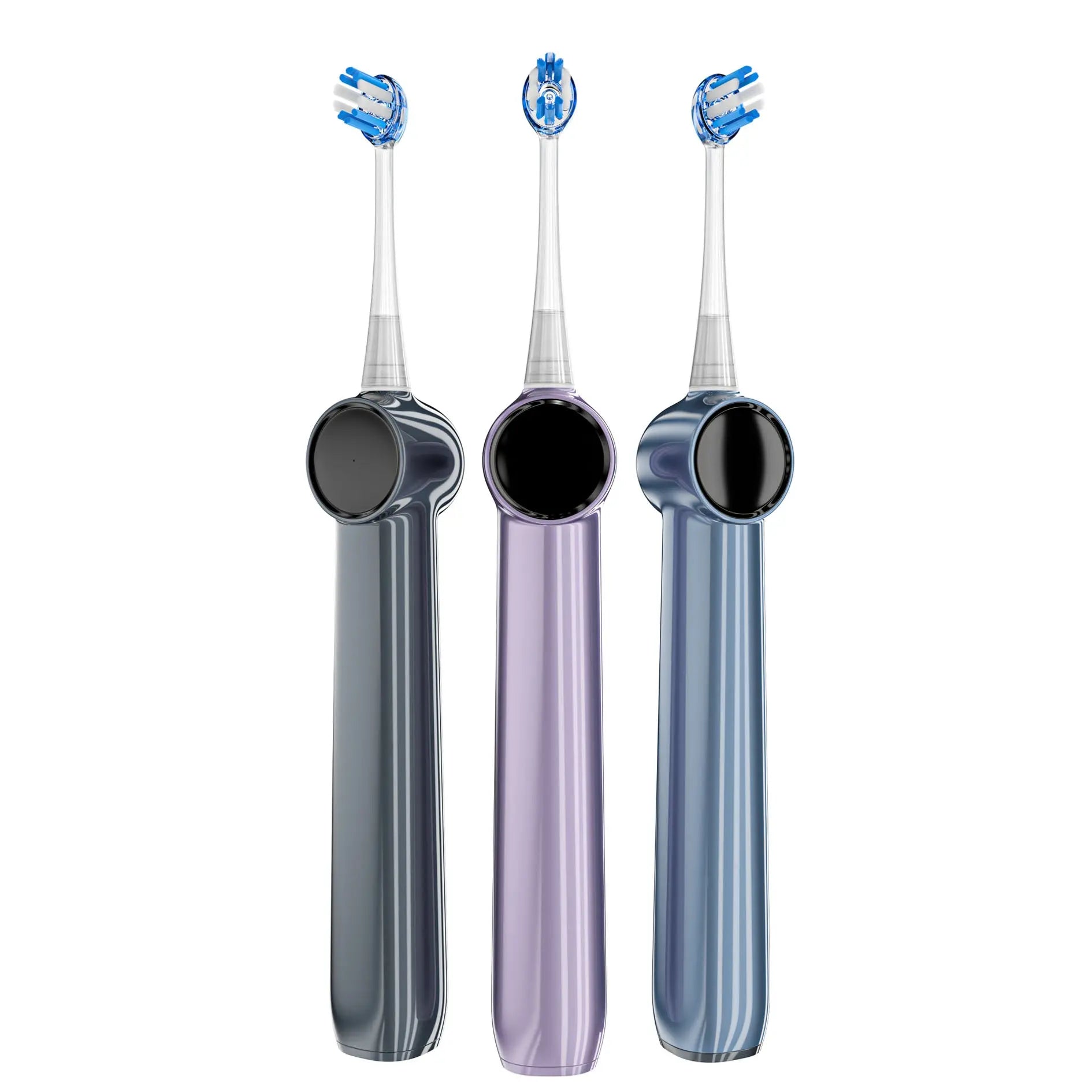
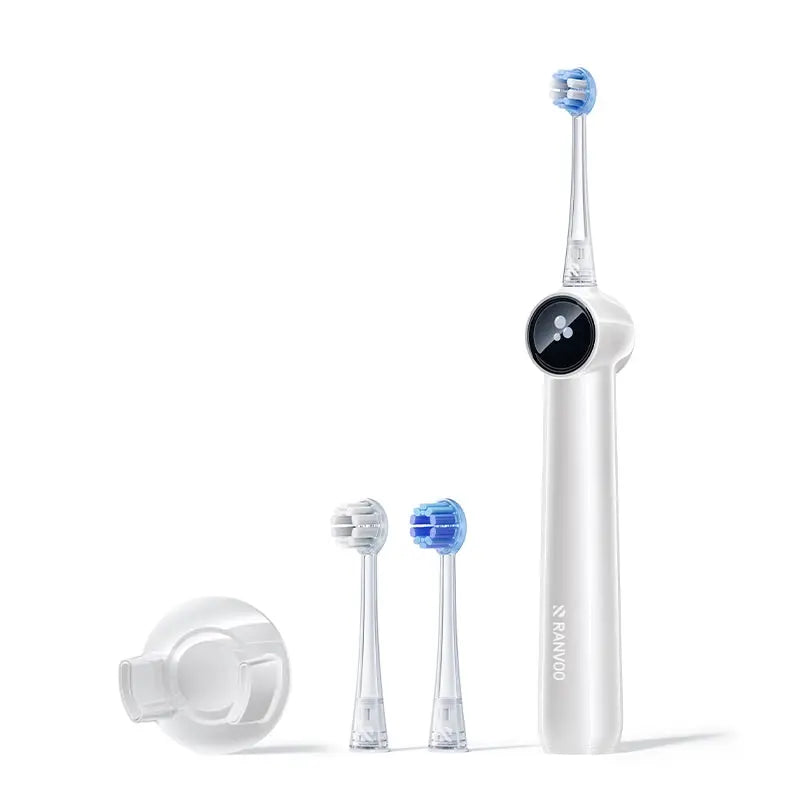
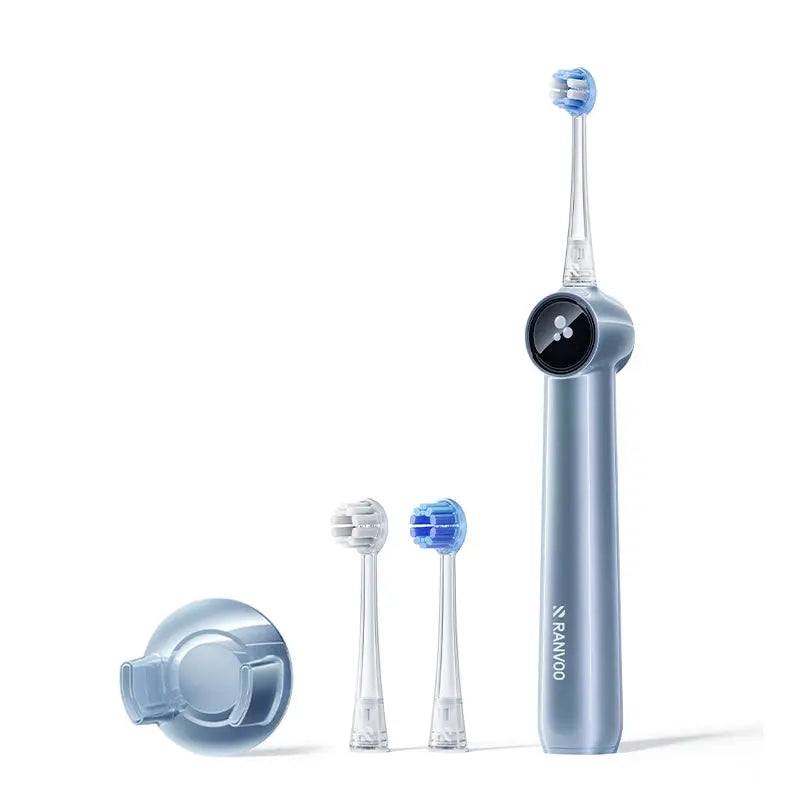
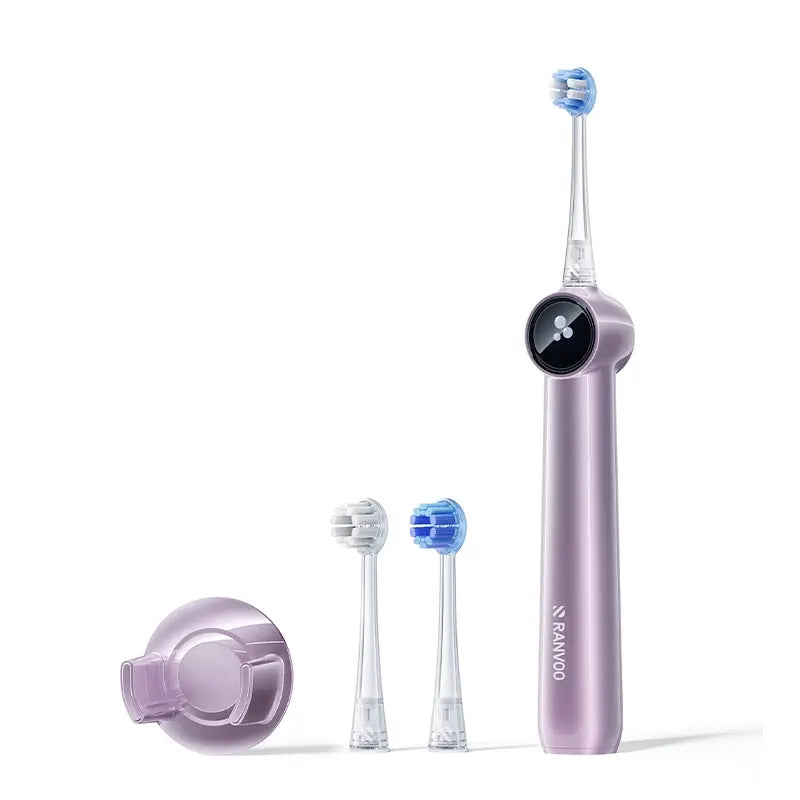
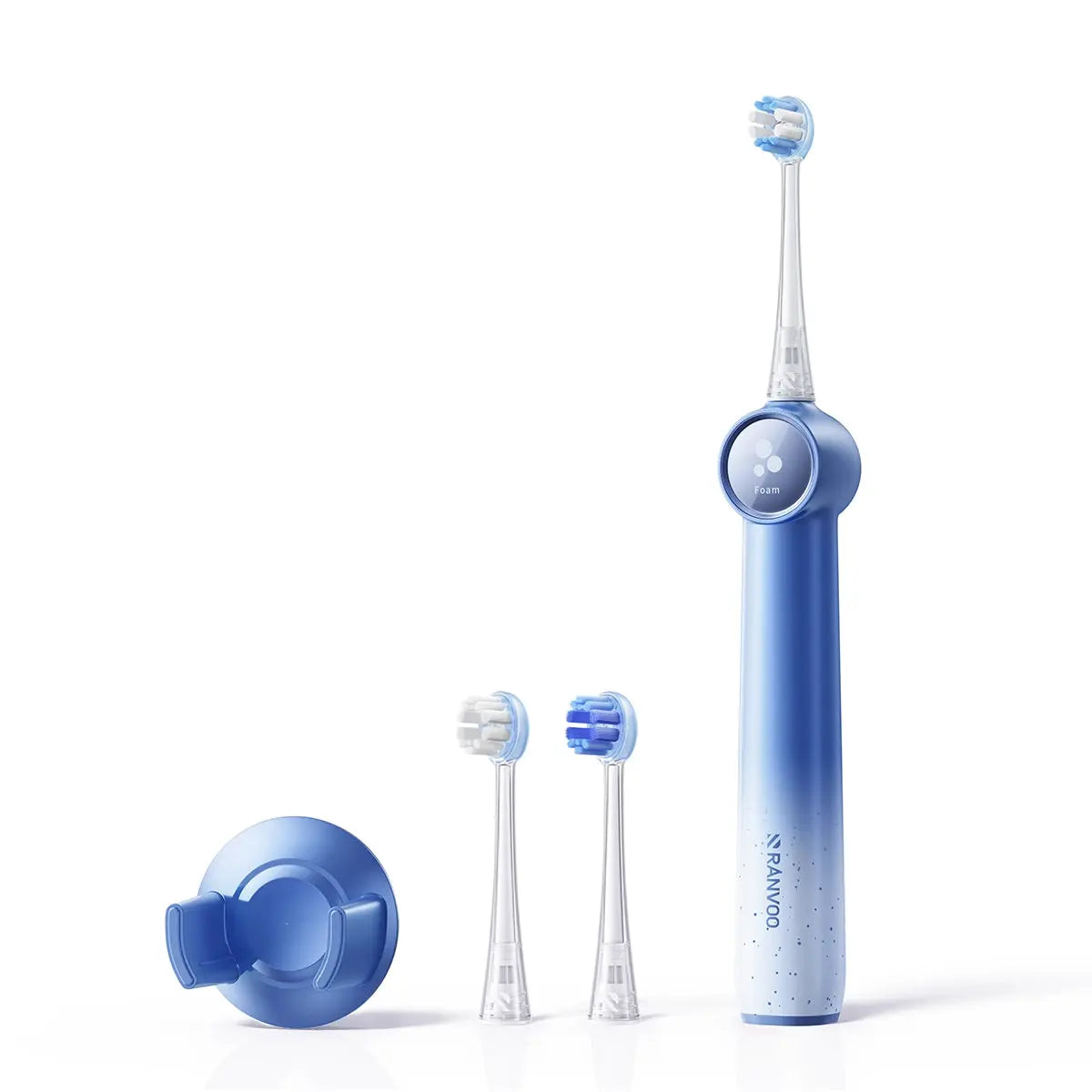
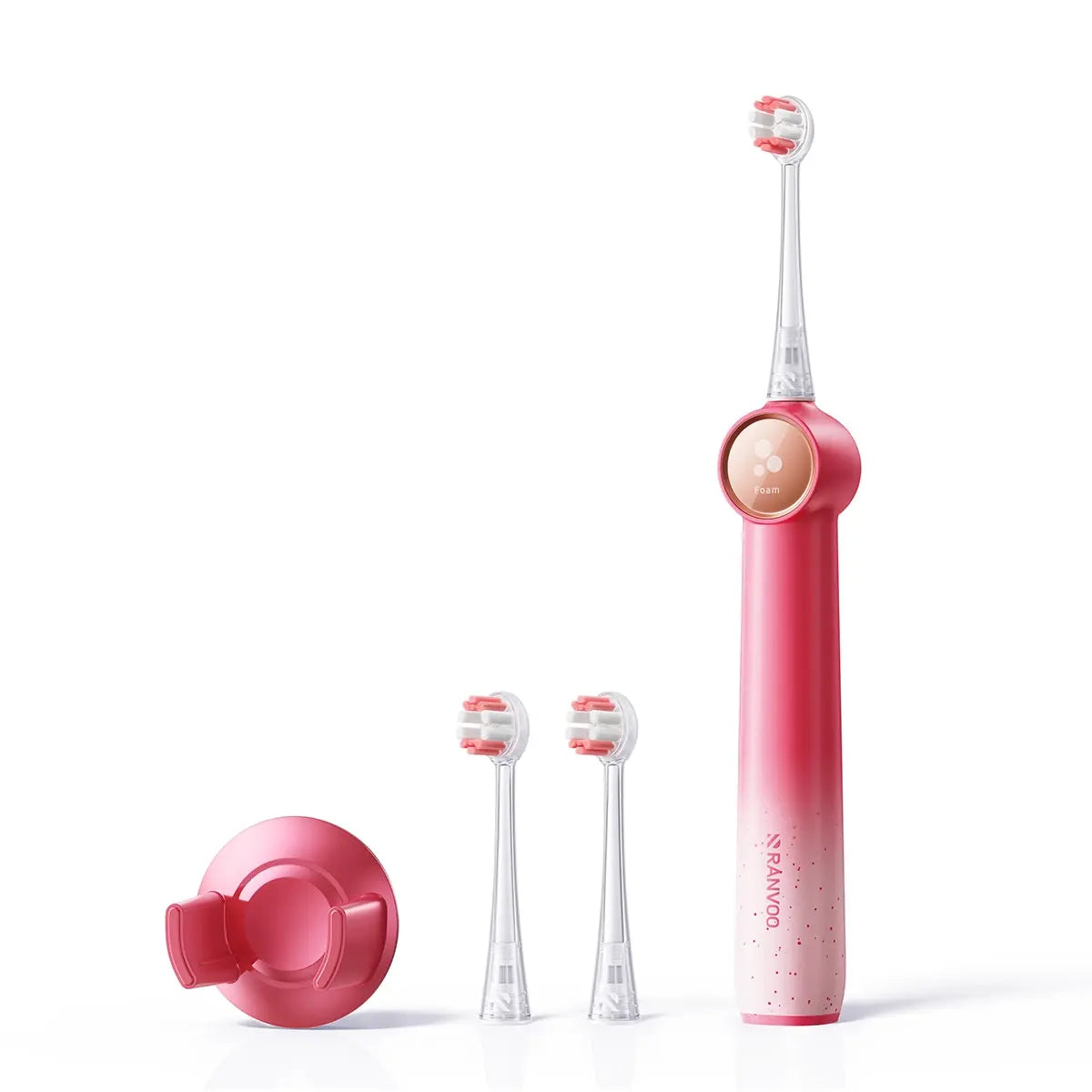
Pairing daily flossing with thorough brushing using an electric toothbrush helps remove the dislodged plaque and debris from all surfaces, lowering the total bacterial load that drives inflammation.
How to Floss Correctly (It’s Not a Snap)
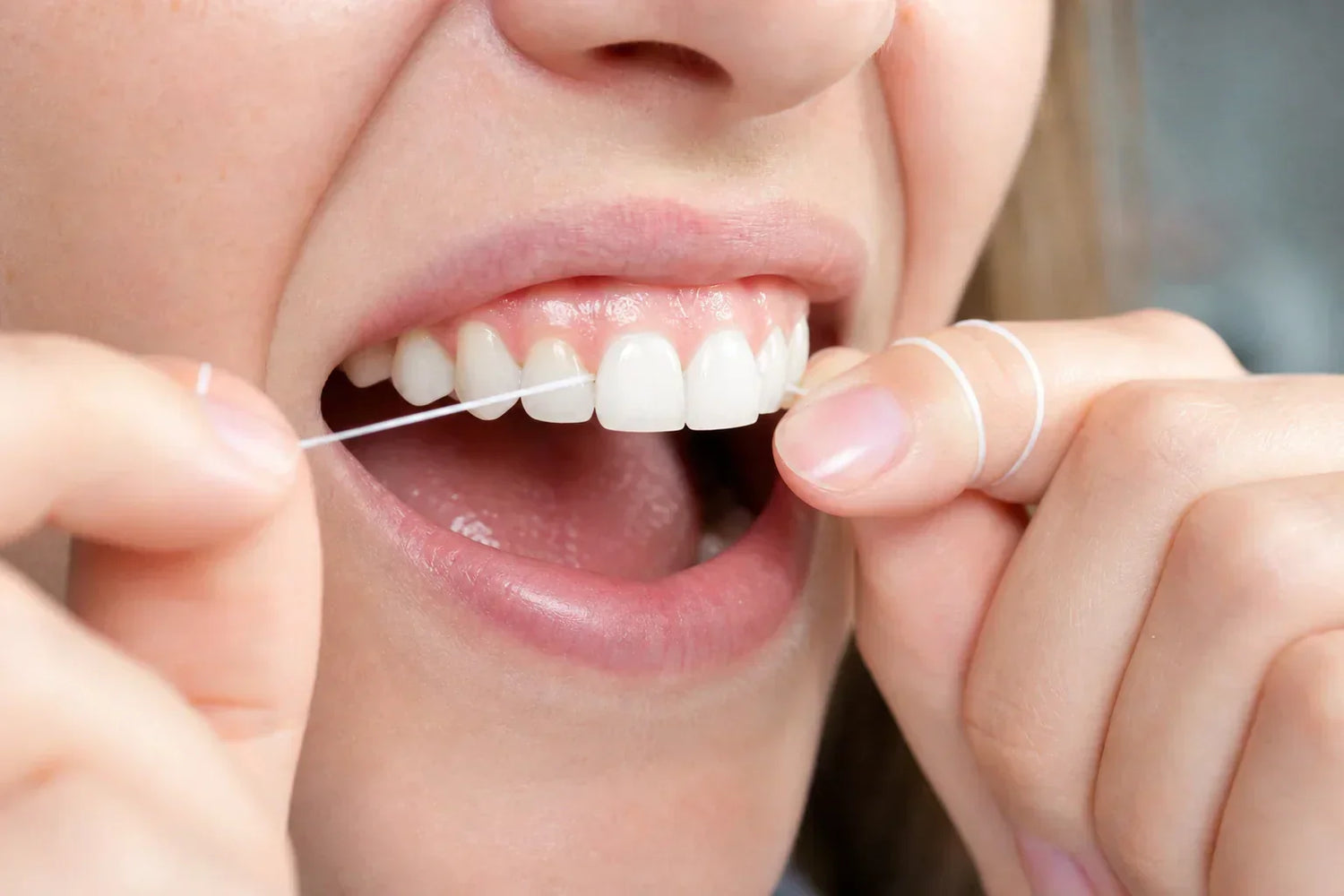
Frequency means nothing if technique is rushed. The goal isn’t to pop the floss between teeth; it’s to scrape the side of each tooth, all the way down to the gumline. Here’s the dentist-approved step-by-step:
- Break off about 18 inches of floss. Wind most of it around one middle finger and a small amount around the other, leaving a 1‑ to 2‑inch working section.
- Glide the floss gently between your teeth with a back‑and‑forth sawing motion. Never snap it down—that can bruise the gum.
- Shape a “C” against one tooth. Curve the floss so it hugs the tooth surface, then slide it up and down, going slightly below the gumline where plaque likes to hide.
- Repeat on the neighboring tooth. Unwind a fresh section and form a new C‑shape on the other side of the same space.
- Move through your entire mouth, front and back. Don’t skip the last molars—they’re often trouble spots.

If your gums bleed: don’t panic. Bleeding is often a sign of existing inflammation, and consistent, gentle flossing over a week or two usually resolves it. If bleeding persists more than a few weeks, see your dentist—it could signal an underlying problem.
A bonus tip many experts love: floss before you brush. When you floss first, you loosen food particles and plaque, and following up with a sonic electric toothbrush can sweep away everything, leaving your mouth feeling impressively clean and letting fluoride toothpaste reach deeper between teeth.
Flossing Tools Demystified: Which One Is Right for You?
“Flossing” is really shorthand for interdental cleaning—and many tools can do the job. The best tool is the one you’ll actually use every day.
- String floss (waxed, unwaxed, PTFE): Tried‑and‑true. Works best for teeth with tight contacts. Waxed or PTFE glides more easily and is less likely to shred. Pick one with the ADA Seal of Acceptance to ensure safety and effectiveness.
- Floss picks: Handy for on‑the‑go, but harder to achieve the perfect C‑shape. Fine for quick cleaning, but consider using string floss at home for the most thorough job.
- Interdental brushes: Tiny, reusable brushes that slip between teeth. Research shows they can be even more effective than floss for reducing plaque and gum inflammation, especially if you have larger gaps or gum recession.
- Water flossers: A gentle stream of water that blasts away debris and plaque. Ideal if you have braces, bridges, implants, or dexterity issues. Clinical studies find they’re comparable to floss for reducing gingivitis and easier for many people to stick with.
If you’re overwhelmed, ask your dental hygienist for a recommendation. They can watch your technique, identify where you’re missing, and match a tool to your unique mouth.
The Truth About Missing a Day
Did you skip a night? Let’s quiet the guilt. Cavities don’t form overnight, and your gums won’t instantly retreat. But here’s what does start happening:
Plaque that isn’t removed begins to absorb minerals from your saliva and calcify. Within 24 to 72 hours, the first gritty bits of tartar can appear. Once tartar forms, no amount of flossing can remove it—only your dentist’s scaling tools can.
So think of daily flossing as a reset button. You’re resetting the 24‑hour clock back to zero every day. Consistency over weeks and months is what prevents disease, not perfection every single night. If you miss a day, simply pick up the habit the next morning without the shame spiral.
Build a Habit That Sticks (Yes, You Can)
Flossing is a classic “know‑you‑should-but…” habit. Behavioral science offers unexpected tricks that make it feel automatic rather than annoying.
- Anchor it to something you already do. Floss right after brushing at night, or even while watching TV. Link the new habit to an existing one so your brain gets the cue.
- Make it visible. Keep floss (or a bag of floss picks) right next to your toothbrush or on your nightstand. Environmental triggers are powerful.
- Start laughably small. Tell yourself you’ll floss just one tooth. Once you start, you’ll often finish—but the mental barrier is miniscule.
- Celebrate the win. Give yourself a mental high‑five or a checkmark on a calendar. Tracking builds momentum.
- Be patient with bleeding. If you’re a beginner, your gums might protest for a few days. That’s normal—and temporary. Push through gently.
Special Situations: Braces, Sensitive Gums, and Kids
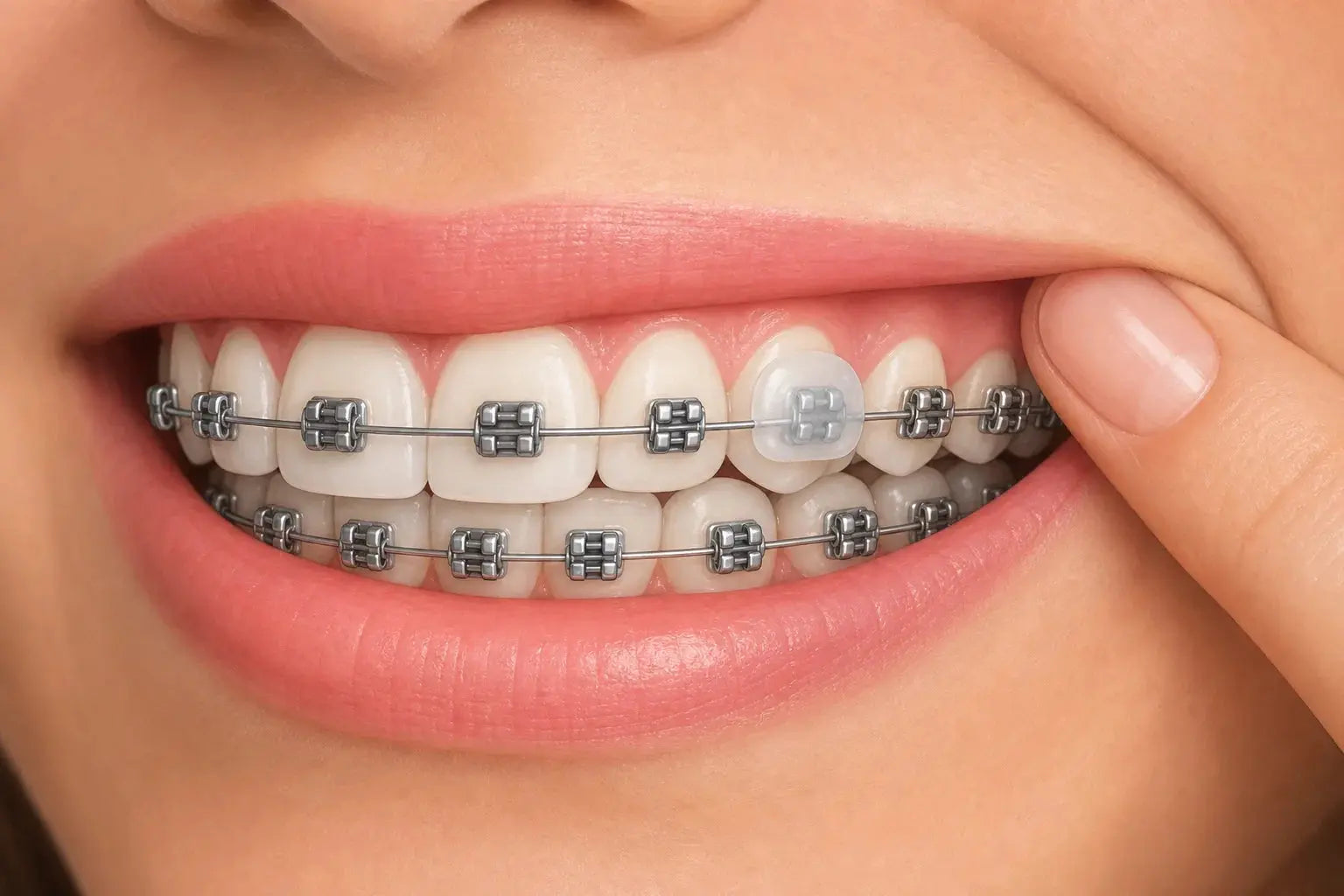
- Braces: Flossing around brackets and wires is tedious, but essential. Use a floss threader or buy “super floss,” which has a stiff end for threading and a spongy section to clean wide spaces. A water flosser can also be a game‑changer, cutting cleaning time dramatically while still removing plaque effectively.
- Sensitive gums: Choose an ultra‑soft, waxed, or PTFE floss (often labeled “comfort” or “gentle”). If floss still hurts, switch to a water flosser on a low‑pressure setting. The goal is to clean without causing trauma—consistency will reduce sensitivity over time.
- Children: You can start flossing as soon as two baby teeth touch. Little hands lack the dexterity for perfect C‑shapes, so parents should do it or supervise closely until around age 10 or 11. Floss picks with colorful handles make the routine more playful and achievable. While high‑quality evidence for cavity reduction in baby teeth is limited to professionally applied flossing, a 2006 systematic review showed that professional flossing in children can cut interproximal caries risk by 40%. Establishing the habit early sets the stage for a lifetime of healthy gums.
Final takeaway: Daily flossing isn’t about perfection—it’s about preventing a slow, invisible buildup that eventually shouts. Pick a tool you’ll actually use, master the C‑shape, and give yourself grace on the days you fall short. Your teeth and gums will thank you for years to come.